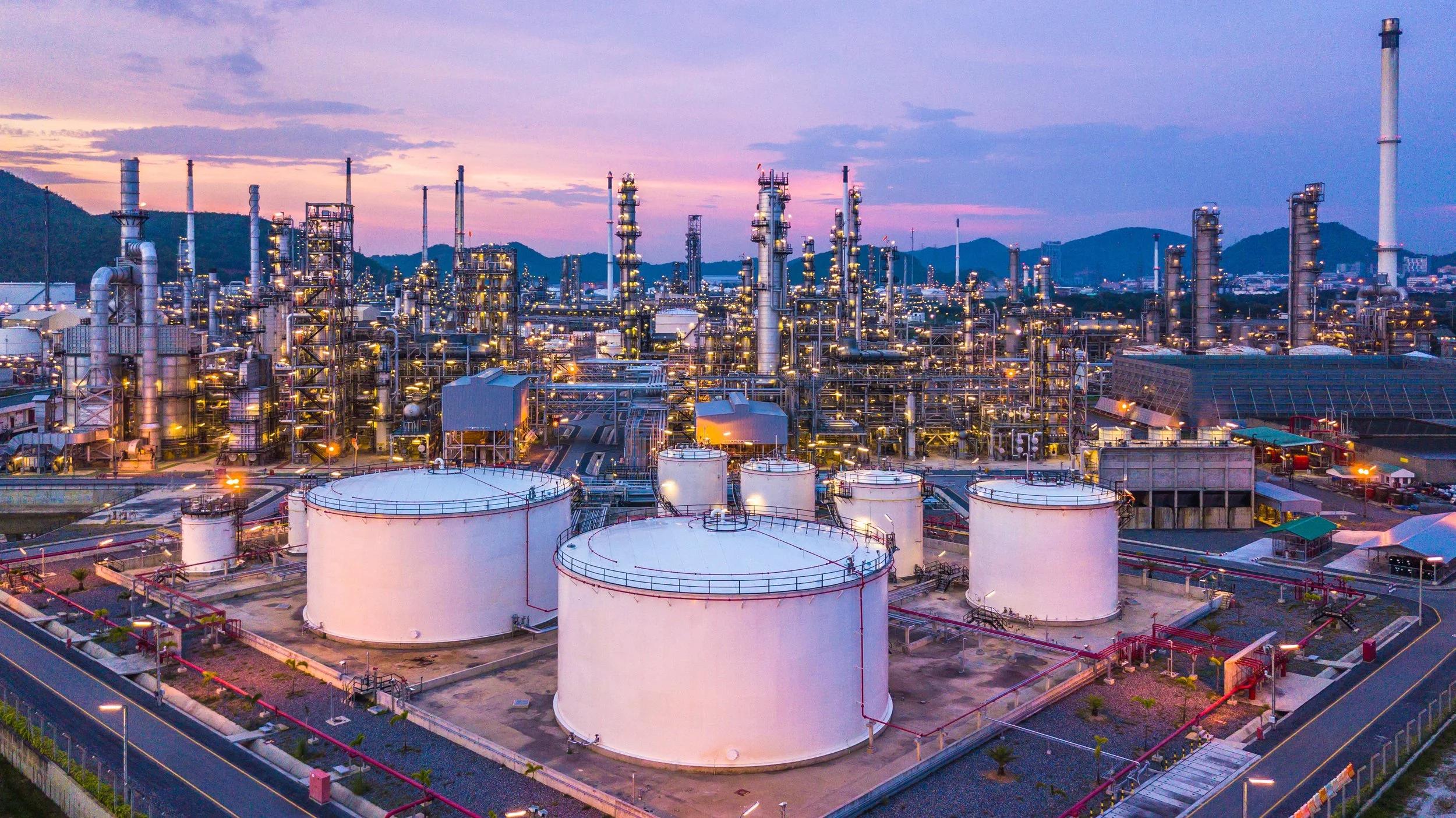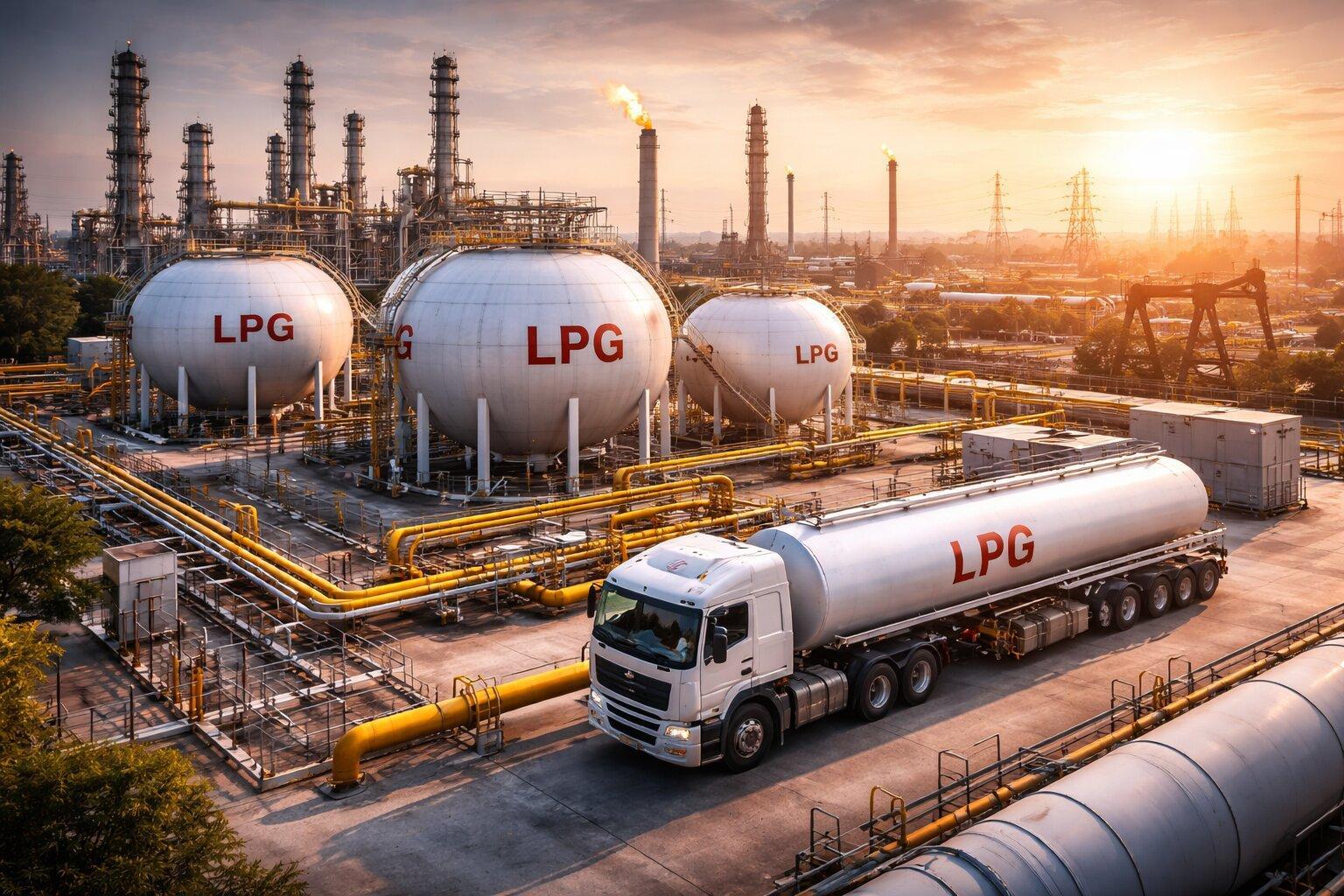
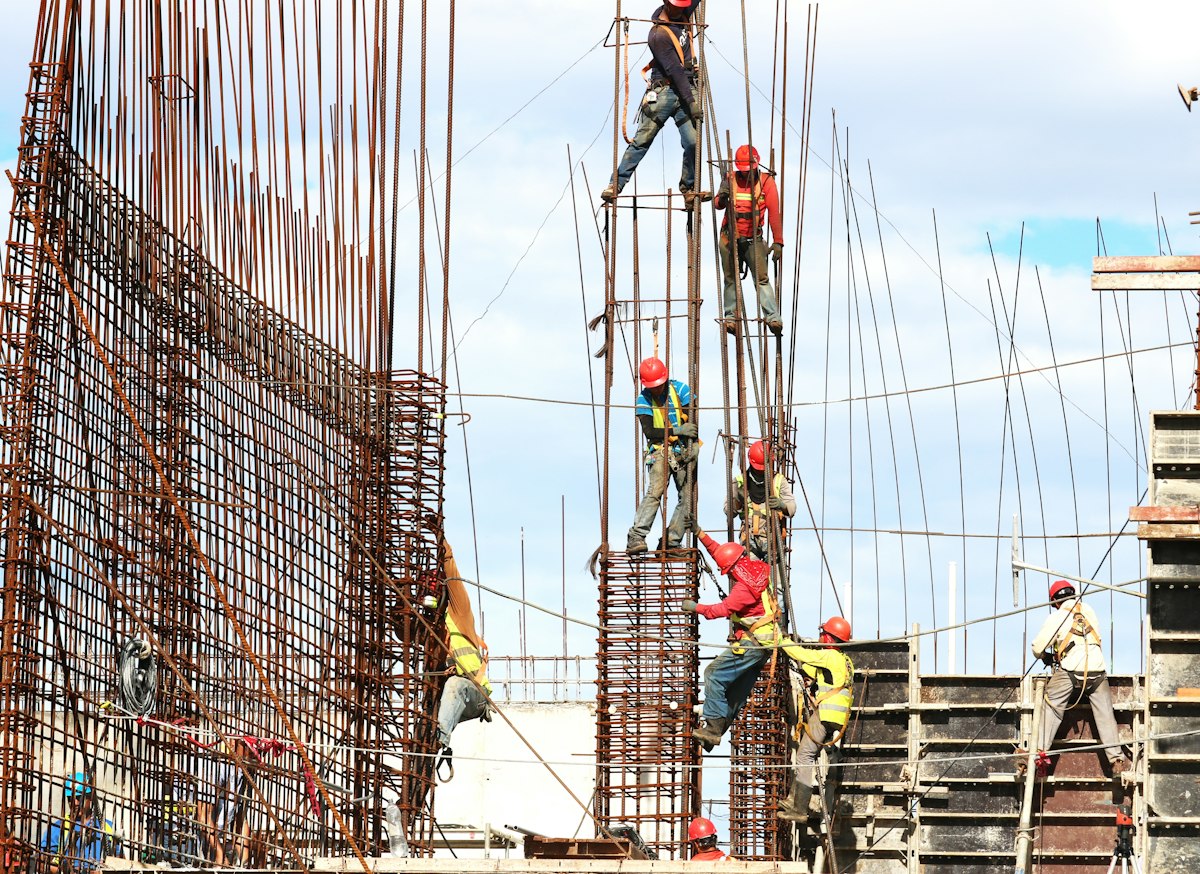
Most depot piping failures we investigate share a root cause: the upgrade was built without current engineering. A tie-in here, a rerouted line there, and after a decade the terminal operates on drawings nobody trusts. These seven mistakes recur across East African petroleum storage — each avoidable with proper process and piping engineering.
1. Tie-ins without a line list review
New connections get welded into whatever line is closest, without checking service compatibility, pressure rating or flow direction. Every tie-in should be logged against the P&ID and line list, with isolation verified before cutting.
2. Ignoring surge on valve upgrades
Replacing a slow manual valve with a fast-acting actuated one can generate surge pressures that split gaskets or lift reliefs. Any change in closure time on product lines above modest velocities deserves a surge check.
3. Supports added as an afterthought
Pipe racks corrode, clamps disappear, and new lines rest on old steel. Inadequate support causes sagging, water pockets, vibration and eventual flange leaks. Support design is part of piping design, not scaffolding's problem.
- Survey existing supports before routing new lines.
- Allow for thermal movement at tank connections.
- Replace corroded supports in the same shutdown window.
4. No low-point drains or high-point vents
Product and water get trapped, testing becomes guesswork, and maintenance crews dread every isolation. Drains and vents cost little during construction and save fortunes in operations.
5. Mixing specifications at flanges
A Class 150 flange mated to PN16, or stainless bolts on carbon flanges without isolation, creates the leak of next year. Upgrade packages must state the piping specification explicitly at every interface.
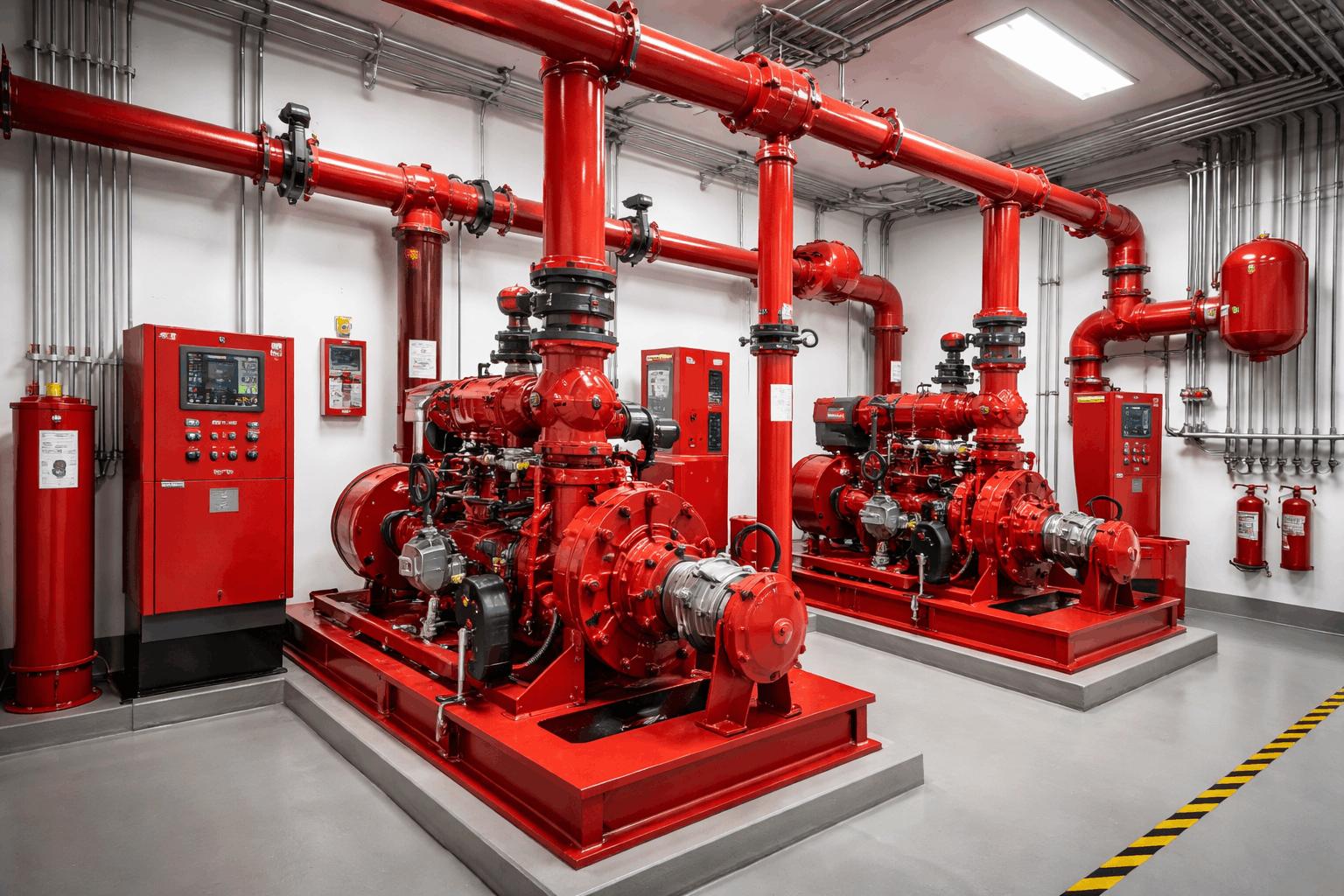
6. Forgetting the firewater interface
Transfer upgrades change the hazard profile — new products, larger bunds, relocated loading. The fire protection demand should be rechecked whenever the process side changes.
7. As-builts that never happen
The upgrade is commissioned, the contractor leaves, and the drawings stay red-marked in a site office drawer. Insist on as-built P&IDs, isometrics and line lists as a hold point for final payment — it is the cheapest insurance a depot can buy.
Engineered upgrades cost slightly more upfront and dramatically less over the asset life. Send us your depot layout for a piping review.
Tagged: tank farm piping Kenya, depot upgrade, petroleum terminal piping, process piping
Need this engineered for your site?
Send drawings, layouts or a scope note — we respond with a scoped proposal.