
Kenya's LPG market keeps growing, and with it the number of storage and filling facilities across Nairobi, Mombasa, Nakuru and the wider region. LPG is an unforgiving product: heavier-than-air vapour, low ignition energy, and pressure storage. Safe plants come from disciplined engineering decisions, not from copying the neighbour's layout. These are the essentials we design around in every LPG engineering engagement.
Storage: vessel type and siting
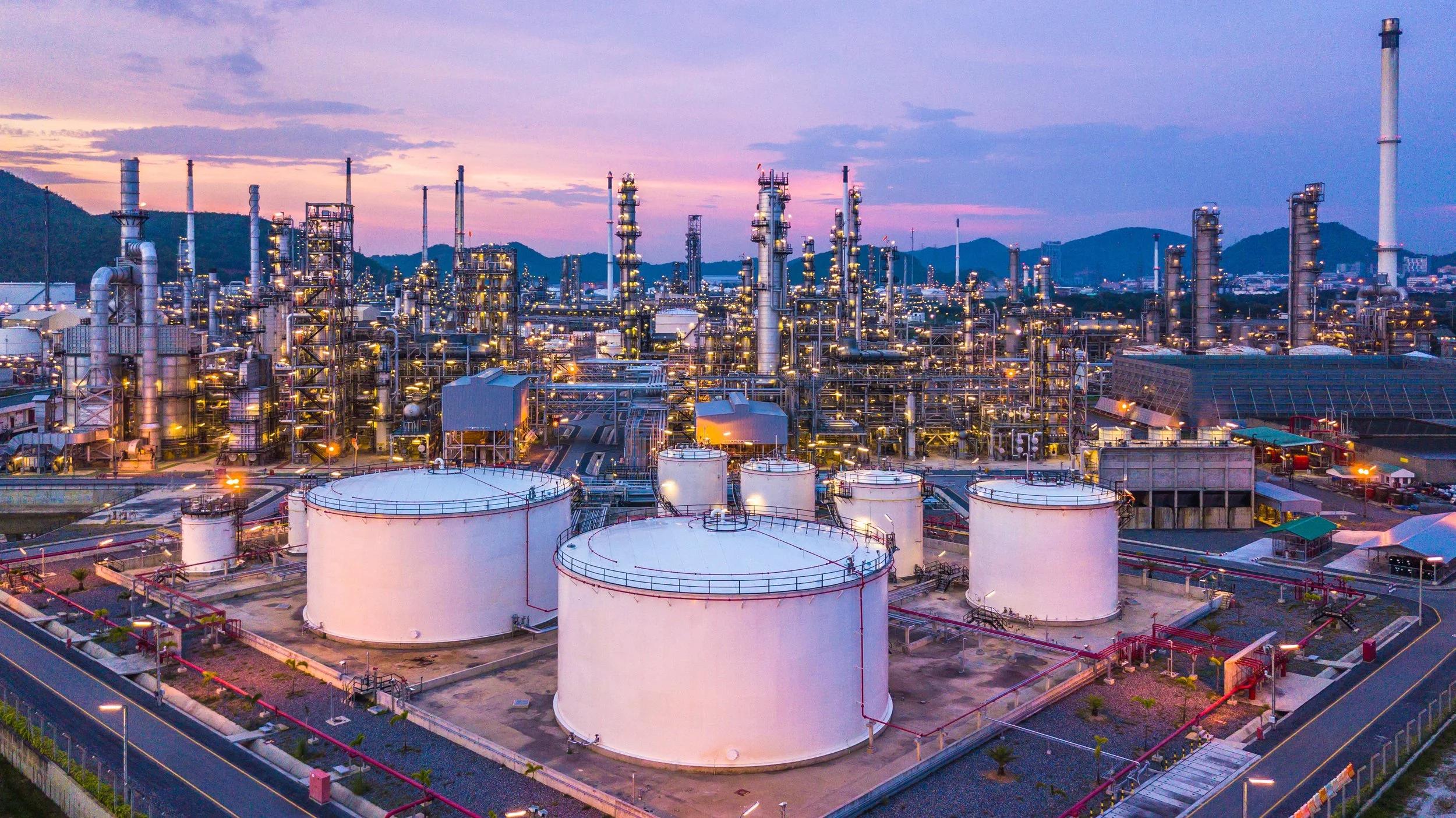
Above-ground horizontal bullets dominate Kenyan installations for good reason — inspectable, maintainable and straightforward to protect. Mounded or buried vessels reduce thermal exposure but complicate inspection and drainage. Whichever is chosen, capacity must cover working stock plus outage contingency, and siting must respect safety distances to boundaries, ignition sources and public areas, with prevailing-wind dispersion in mind.
Piping and the filling manifold
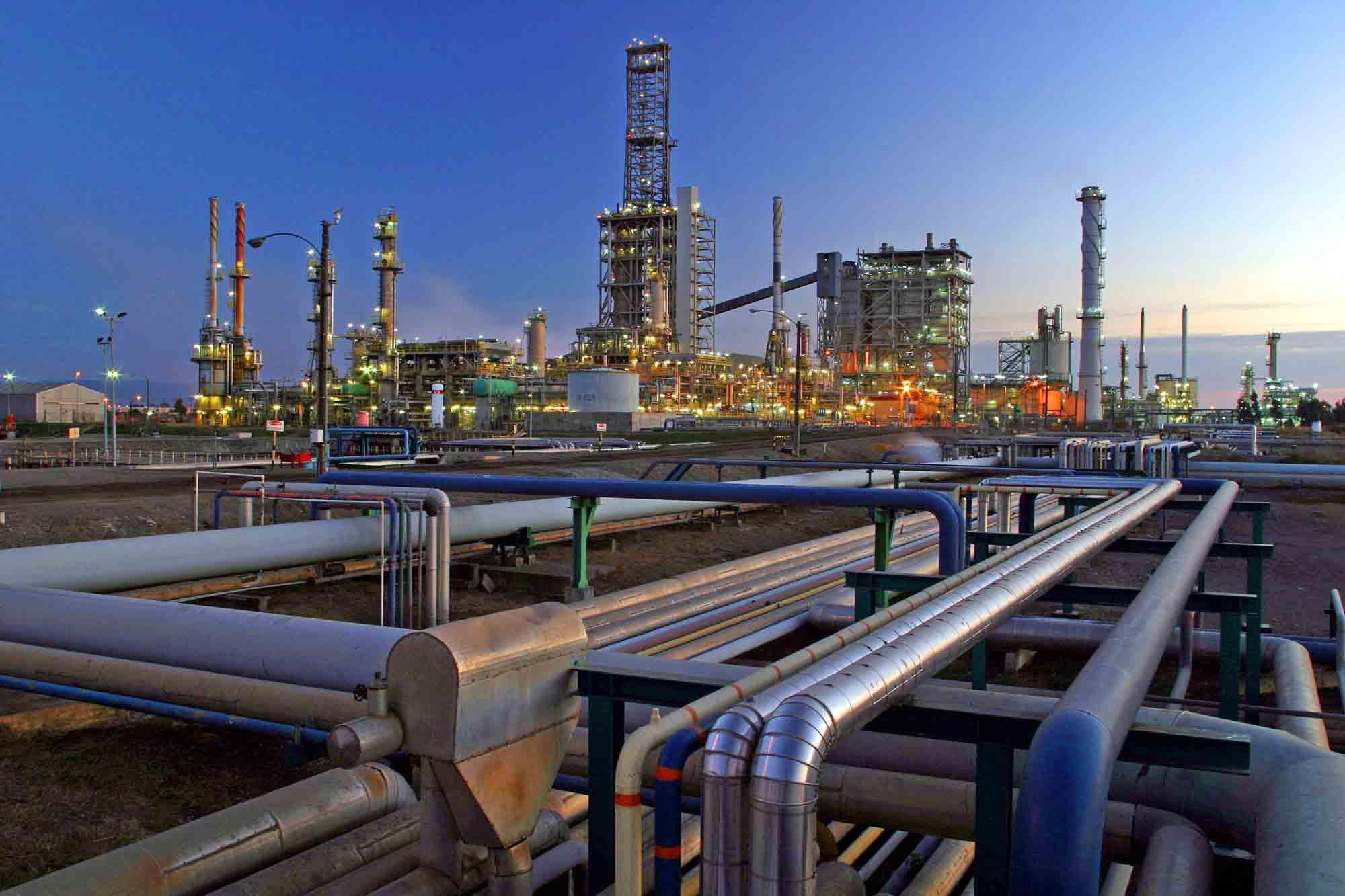
LPG piping design balances pressure drop, thermal relief and leak minimisation. Liquid lines are kept as short and as welded as practical; flanged joints are minimised and located where they can be inspected. Every liquid section that can be blocked in requires thermal relief. The filling manifold — scales or mass metering, excess-flow protection, earthing and emergency shutdown — deserves the same design attention as the vessels, because it is where people and product meet daily.
- Prefer welded construction; minimise threaded joints in LPG service.
- Provide thermal relief on all blockable liquid sections.
- Design earthing, bonding and emergency shutdown into the manifold from day one.
Vaporisers, pumps and utilities
Where vapour demand exceeds natural boil-off, vaporisers must be sized to peak filling rates with proper controls and relief. LPG pumps need NPSH care — LPG flashes easily, so suction conditions and recirculation lines matter more than in water service. Instrument air, drainage with water-draw management, and reliable power for shutdown systems complete the utility picture.
Fire protection interface
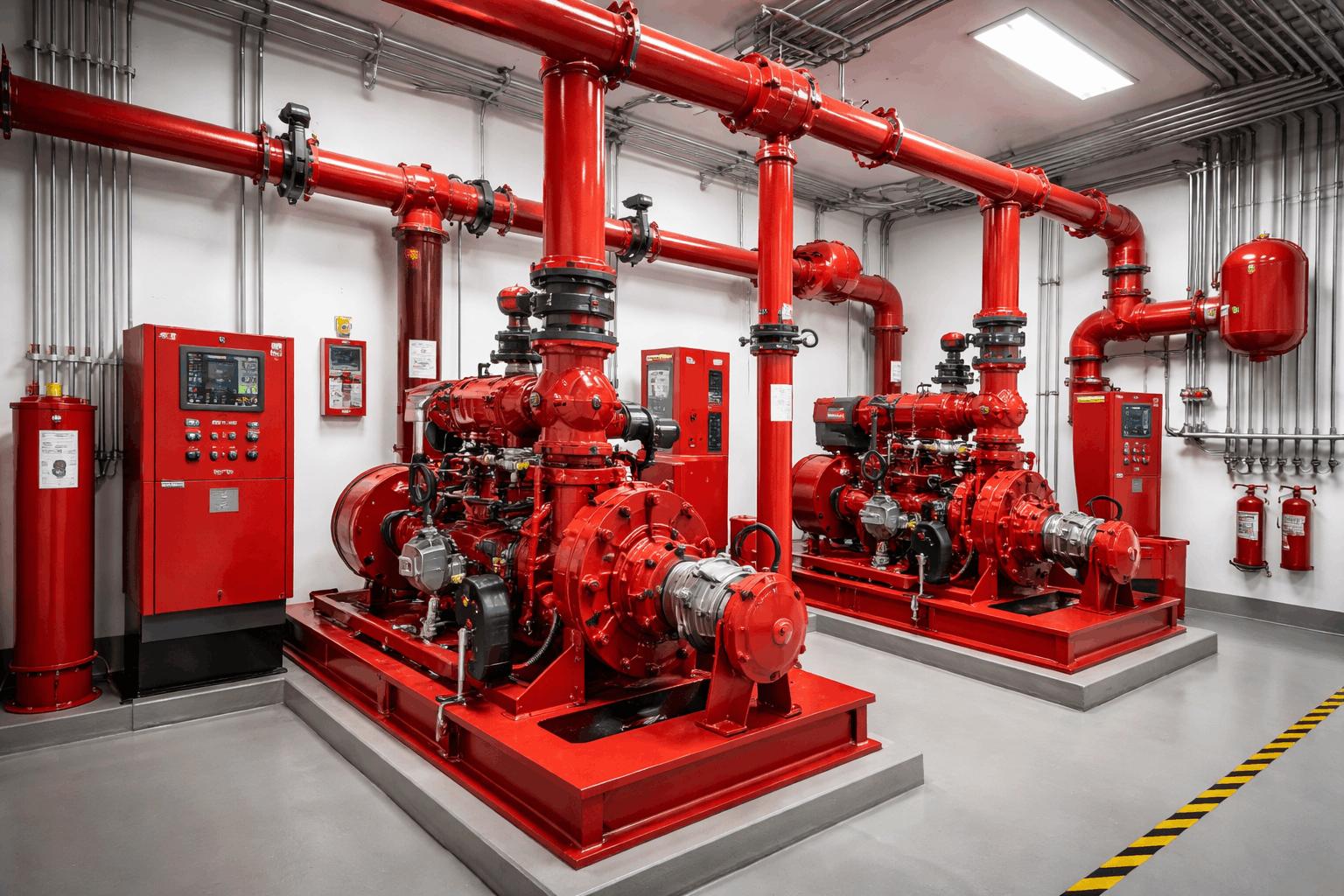
LPG facilities need cooling water for exposure protection plus detection, shutdown and emergency response provisions integrated with the site firewater network. Hydrant and monitor coverage must reach vessels, manifolds and loading areas at adequate pressure — verified by calculation, not assumed.
Documentation that outlives the contractor
P&IDs, vessel datasheets, relief calculations, cause-and-effect charts and operating envelopes are what let your team run the plant safely for twenty years. If a proposal offers steel without documents, it is offering half a plant. Request an LPG scope review and we will tell you plainly what your site needs.
Tagged: LPG facility design Kenya, LPG storage, LPG piping, LPG plant safety East Africa
Need this engineered for your site?
Send drawings, layouts or a scope note — we respond with a scoped proposal.